Blocked fallopian tubes prevent sperm and egg from meeting, causing infertility. Diagnosis is made via HSG, HyCoSy, or laparoscopy. Treatment depends on the type and severity of blockage: surgical correction works for some cases, while IVF bypasses the tubes entirely and is highly effective. Early specialist assessment is key.
Introduction
Blocked fallopian tubes are one of the most common causes of female infertility, responsible for approximately 25–30% of all infertility cases. If you have been told your tubes may be blocked, or if investigations have pointed in this direction, understanding what it means — and what can be done — is the most important first step. This guide walks you through the causes, diagnosis, and full range of treatment options available to South African women. For a broader overview of fertility clinics and specialists who treat this condition, visit the Fertility Solutions directory.
What Are the Fallopian Tubes?
The fallopian tubes are two narrow, 10cm-long structures connecting the ovaries to the uterus. Each month, one tube picks up the egg released during ovulation, provides the environment for fertilisation by sperm, and transports the resulting embryo into the uterus. For more on how this process works, see The Key to Conception and the Role of Fallopian Tubes on Fertility Solutions.
Causes of Blocked Fallopian Tubes
- Pelvic inflammatory disease (PID): the most common cause — bacterial infection (often chlamydia or gonorrhoea) causes scarring in the tubes
- Endometriosis: deposits of endometrial tissue cause inflammation and adhesions around and inside the tubes
- Previous pelvic or abdominal surgery: appendectomy, c-section, or fibroid removal can leave adhesions
- Ectopic pregnancy: a previous tubal pregnancy can leave scarring
- Hydrosalpinx: fluid-filled tube caused by chronic infection or endometriosis
- Congenital abnormalities: rare structural issues present from birth
Types of Blockage
Proximal Blockage
Blockage at the point where the tube joins the uterus. Often caused by mucus plugs, spasm, or scar tissue. May be treatable with selective salpingography or hysteroscopic cannulation.
Distal Blockage
Blockage at the end near the ovary. Often caused by infection or endometriosis. May result in hydrosalpinx. Surgical repair (salpingostomy) is possible but success rates vary.
Hydrosalpinx
A fluid-filled, distended tube that not only blocks conception but — if left in place during IVF — can leak toxic fluid into the uterus, reducing IVF success rates by approximately 50%. Removal or clipping before IVF is strongly recommended.
Diagnosis
HSG (Hysterosalpingogram)
HSG is the standard first-line test for tubal patency. A dye is injected into the uterus under X-ray guidance, and any blockage or irregularity is visible on the image. The procedure takes about 20 minutes. Read a detailed explanation of what to expect from an HSG on Fertility Solutions.
HyCoSy (Hysterosalpingo-Contrast Sonography)
An ultrasound-based alternative to HSG using contrast medium. No radiation exposure. Increasingly available at South African fertility clinics.
Laparoscopy
The gold standard for diagnosing and treating tubal pathology. Under general anaesthesia, a camera is inserted to directly visualise the tubes, ovaries, and pelvis. Adhesions and endometriosis deposits can be treated simultaneously. See Laparoscopic Surgery for Endometriosis for more detail on the procedure.
Treatment Options
Surgical Treatment
Laparoscopic surgery can remove adhesions, repair damaged tube ends (salpingostomy), or unblock proximal occlusions. Best results are achieved in younger women with mild to moderate disease. Extensive damage or bilateral hydrosalpinx are generally better managed with IVF.
IVF: The Primary Route When Tubes Are Blocked
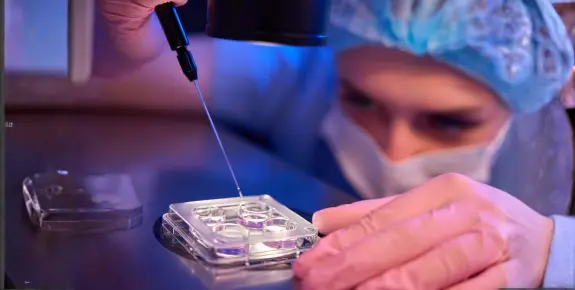
IVF bypasses the fallopian tubes entirely — eggs are retrieved from the ovaries, fertilised in the laboratory, and the embryo is placed directly into the uterus. For women with blocked tubes, IVF is often the most efficient and effective path to pregnancy. See the complete IVF guide for South Africa for full details on the process, costs, and success rates.
Hydrosalpinx and IVF
If a hydrosalpinx is present, most fertility specialists recommend salpingectomy (removal) or proximal tubal occlusion (clipping) before IVF to prevent the toxic fluid from impairing implantation.
South African Costs
HSG: approximately R2,000–R4,000. Laparoscopy: R15,000–R35,000 (hospital and anaesthesia additional). IVF cycle: R40,000–R80,000 plus medication. Medical aid coverage for investigations and surgery varies — see medical aid coverage for fertility treatment in South Africa for a current guide.
Related Articles
- Blocked Fallopian Tubes – Overview
- HSG (Hysterosalpingogram) Explained
- The Role of Fallopian Tubes in Conception
- IVF in South Africa: Complete Guide
- Blocked Fallopian Tubes: Fertility Treatment Guide
- Trying to Conceive with One Fallopian Tube
- Trying to Conceive with Endometriosis
- Medical Aid Coverage for Fertility Treatment
Frequently Asked Questions
Can you get pregnant with blocked fallopian tubes?
Not naturally — the tube is the pathway for sperm to meet the egg. However, IVF bypasses the tubes entirely, and many women with blocked tubes achieve pregnancy through IVF. Surgical correction also restores natural fertility in suitable cases.
What is the most accurate test for blocked tubes?
Laparoscopy with dye (chromopertubation) is the gold standard. HSG is the preferred first-line non-surgical investigation — it is reliable, widely available, and relatively low-risk.
Does having one blocked tube affect my fertility?
One healthy tube can pick up eggs from both ovaries — many women with one open tube conceive naturally. Read more in our guide to trying to conceive with one fallopian tube.
Can blocked tubes be unblocked naturally?
No evidence supports natural remedies unblocking structurally damaged tubes. Surgical intervention or IVF are the evidence-based options.
How does endometriosis cause blocked tubes?
Endometriosis deposits on or around the tubes cause chronic inflammation and adhesions, distorting tube anatomy and blocking the tube lumen. See our endometriosis and fertility guide for full detail.
Is IVF the only option for bilateral blocked tubes?
IVF is the most reliable option. Surgical repair may be possible depending on the extent and location of blockage, but is less commonly recommended when both tubes are severely damaged.
What is a hydrosalpinx and why does it matter for IVF?
A hydrosalpinx is a fluid-filled, blocked tube. The fluid can leak into the uterus and reduce IVF implantation rates. Removal or clipping before IVF is strongly recommended.
How long does it take to recover from tubal surgery?
Laparoscopic surgery typically requires 1–2 weeks off work. You can usually try to conceive naturally 1–2 cycles after surgery once your surgeon confirms healing.
Will medical aid cover HSG or tubal surgery in South Africa?
Most medical aids cover HSG as a diagnostic investigation and tubal surgery when clinically indicated. IVF coverage is more limited. Check the current medical aid fertility treatment guide on Fertility Solutions.
How do I find a fertility specialist for blocked tubes in South Africa?
Fertility Solutions lists fertility clinics and specialists across South Africa. Visit the directory to find an experienced reproductive specialist near you.
Key Takeaways
- Blocked tubes cause infertility by preventing sperm and egg from meeting
- HSG is the first-line investigation; laparoscopy is the gold standard
- IVF bypasses the tubes and is highly effective regardless of blockage type
- Hydrosalpinx should be treated before IVF to protect implantation rates
- South African fertility specialists are experienced in both surgical and IVF management of tubal disease
Closing Thoughts
Blocked fallopian tubes are a significant fertility challenge — but not an insurmountable one. IVF has transformed outcomes for women with this diagnosis, and surgical options remain valuable in selected cases. The most important step is getting a clear diagnosis and an honest specialist assessment. Find a fertility specialist near you through Fertility Solutions.
Disclaimer: This content is for educational purposes only and does not constitute medical advice. Always consult with a qualified healthcare provider before making decisions about fertility treatment.
About the Author
Leigh-Ann Geydien is the founder of Fertility Solutions, South Africa’s only dedicated fertility directory. With a deep commitment to patient advocacy, she built the platform to bridge the gap between those navigating fertility challenges and the clinics and reproductive health specialists best placed to help them.