Yes, pregnancy after sterilisation is possible. Two main routes exist: surgical reversal (reconnecting the fallopian tubes) and IVF (which bypasses the tubes entirely). The best option depends on your age, type of sterilisation, time since the procedure, and ovarian reserve. A fertility specialist can guide you.
Introduction
Sterilisation is one of the most permanent decisions a person can make about their fertility — and yet life has a remarkable way of changing the picture. Whether your circumstances have shifted, you’ve entered a new relationship, or the loss of a child has reignited the desire to grow your family, you are far from alone. Modern fertility medicine offers real pathways — both surgical and technological — that have helped many South African women achieve pregnancy after sterilisation. See also What Are My Options to Conceive After Tubal Ligation and Exploring Tubal Reversal on Fertility Solutions.
What Is Female Sterilisation?
Female sterilisation — commonly called tubal ligation or “having your tubes tied” — surgically prevents pregnancy by blocking, cutting, burning, or removing the fallopian tubes. Methods include:
- Tubal ligation: tubes cut and tied
- Electrocautery (burning): tubes sealed with electrical current
- Clips or rings: devices clamp the tubes shut — most reversible
- Salpingectomy: partial or full tube removal — reversal generally not possible
- Essure (hysteroscopic coil): causes scarring — reversal not possible
The method used significantly influences which option is available to you.
Option 1: Tubal Reversal Surgery
Tubal reanastomosis reconnects the cut or blocked sections of the fallopian tubes using microsurgery. When successful, natural conception — and repeated pregnancies — become possible without further medical intervention. See Exploring Tubal Reversal on Fertility Solutions for a detailed explanation.
Who Is a Good Candidate?
- Under 40 (ideally under 37)
- Good ovarian reserve
- Sterilised with clips or rings (more tube tissue preserved)
- Remaining tube length of at least 4–5cm after reconnection
- Partner with normal or near-normal sperm analysis
Success Rates
When conditions are optimal, tubal reversal can achieve pregnancy rates of 40–80%. Success falls significantly with age and depends heavily on the original sterilisation method.
Option 2: IVF
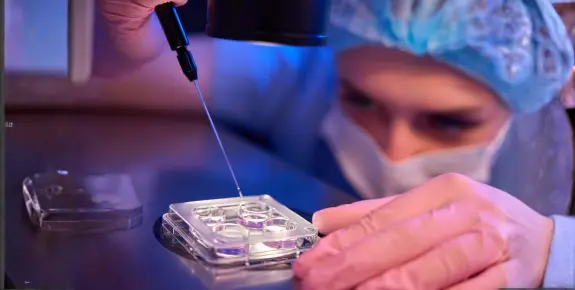
IVF bypasses the fallopian tubes entirely — eggs are retrieved from the ovaries, fertilised in the laboratory, and the embryo is placed directly into the uterus. The blocked or absent tubes are irrelevant. For a full guide to IVF in South Africa including process, costs, and success rates, see the IVF South Africa complete guide.
When IVF Is Preferred
- Woman aged 38 or older
- Sterilisation method left little viable tube tissue (burning or removal)
- Male partner has a sperm issue
- Additional fertility factors (low ovarian reserve, fibroids, endometriosis)
- Preference for genetic testing of embryos (PGT-A)
Reversal vs IVF Comparison
Reversal may be better if: you are under 37 with good reserve, sterilised with clips, want multiple natural pregnancies, or cost is a primary consideration (reversal is a once-off cost). IVF may be better if: you are 38+, extensive tube damage occurred, there are additional fertility factors, or you want embryo genetic testing. See also
Sterilisation Reversal vs IVF for a detailed side-by-side comparison.
Costs in South Africa
Tubal reversal: R30,000–R60,000. IVF cycle: R40,000–R80,000 plus medication. Fertility assessment: R800–R3,000. Medical aid coverage is limited — see medical aid coverage for fertility treatment for the current guide.
Related Articles
- Sterilisation Reversal vs IVF: Which Is Right for You?
- What Are My Options After Tubal Ligation?
- Exploring Tubal Reversal
- IVF in South Africa: Complete Guide
- Trying to Conceive with One Fallopian Tube
- Medical Aid Coverage for Fertility Treatment
- NHS Sterilisation Guide
- Find a Fertility Specialist
Frequently Asked Questions
Can I fall pregnant naturally after sterilisation?
Not without surgical intervention. Tubal reversal surgery can restore natural fertility. IVF bypasses the tubes entirely, so no reversal is needed for IVF.
How long after sterilisation can I have a reversal?
There is no strict time limit, but reversal success rates are generally higher when performed within 10 years. Age is a more important factor than time elapsed.
What is the success rate of tubal reversal in South Africa?
Depending on age and sterilisation method, success rates range from 40–80%. Younger women with minimal tube damage have the highest rates.
Is IVF more successful than reversal after sterilisation?
For women over 38 or those with extensive tube damage, IVF tends to offer better outcomes. For younger women with well-preserved tube tissue, reversal can be equally or more effective over time.
Does sterilisation affect my hormones or ovarian reserve?
No — sterilisation affects only the tubes. Your ovaries, hormone levels, and egg reserve are unaffected.
Can I use donor eggs after sterilisation?
Yes — if your own egg quality is a concern (often age-related), donor egg IVF is an excellent option with success rates of 40–55% per cycle.
Will medical aid cover reversal or IVF?
Coverage varies. Most aids do not cover IVF, though some cover investigations. Check your specific benefit schedule.
How do I find a fertility specialist for post-sterilisation options?
Fertility Solutions provides a directory of experienced specialists across South Africa.
Can I have a reversal if I had Essure?
No — Essure cannot be reversed. IVF is the only fertility option after Essure sterilisation.
What tests do I need before deciding between reversal and IVF?
AMH blood test, antral follicle count, review of sterilisation records, and semen analysis for your partner are the core investigations.
Key Takeaways
- Sterilisation does not affect ovarian function — eggs and hormones remain active
- Tubal reversal and IVF are both real, evidence-based options
- Reversal suits younger women with preserved tube tissue
- IVF bypasses the tubes and is preferred for women over 38 or with additional factors
Closing Thoughts
“Permanent” does not always mean what it once did. Modern fertility medicine has rewritten that story for many South Africans. Find a fertility specialist near you through Fertility Solutions.
Disclaimer: This content is for educational purposes only and does not constitute medical advice. Always consult with a qualified healthcare provider before making decisions about fertility treatment.
About the Author
Leigh-Ann Geydien is the founder of Fertility Solutions, South Africa’s only dedicated fertility directory. With a deep commitment to patient advocacy, she built the platform to bridge the gap between those navigating fertility challenges and the clinics and reproductive health specialists best placed to help them.