Secondary infertility investigations include AMH and antral follicle count, hormonal panel, semen analysis, uterine cavity assessment, and tubal patency testing. Treatment is directed at the identified cause — from ovulation induction to IVF. The same treatment options available for primary infertility apply, and prior successful pregnancy is a positive prognostic factor.
Introduction
When couples who already have a child struggle to conceive again, it can feel like a particular kind of aloneness — one that is hard to articulate to friends, family, or even medical professionals. Secondary infertility is real, it is common, and it deserves a thorough, compassionate response. This article focuses on the investigation and treatment pathway for couples experiencing secondary infertility. For the broader overview including emotional aspects, see Secondary Infertility: Why Am I Struggling to Conceive Again?.
The Investigation Pathway
Step 1: Ovarian Reserve Assessment
AMH (anti-Müllerian hormone) blood test and antral follicle count by ultrasound. These give the clearest picture of current egg reserve — which may have changed significantly since the first pregnancy, especially with advancing age.
Step 2: Hormonal Blood Panel
Day 2–3 FSH, LH, oestradiol, prolactin, thyroid (TSH, TPO antibodies), testosterone, and fasting insulin/glucose. Thyroid dysfunction and hyperprolactinaemia are common and easily treatable causes of secondary infertility. See hormonal imbalances and fertility for a full breakdown of each hormone’s role.
Step 3: Semen Analysis
A current semen analysis is essential — male fertility parameters can change substantially over time. Request at least two samples 2–4 weeks apart for reliable results. See our guide to low sperm count and fertility if results are abnormal.
Step 4: Uterine Cavity Assessment
A saline sonohysterogram or hysteroscopy is particularly important in secondary infertility when a previous D&C, caesarean section, or complicated delivery occurred. These procedures can cause intrauterine adhesions (Asherman’s syndrome), polyps, or scar tissue. See uterine polyps and fertility for what polyps look like and how they are treated.
Step 5: Tubal Assessment
An HSG or HyCoSy assesses tubal patency. Particularly relevant if there has been a history of pelvic infection, ectopic pregnancy, or previous tubal surgery.
Causes Commonly Found in Secondary Infertility
Asherman’s Syndrome
Intrauterine adhesions (scar tissue) resulting from D&C, hysteroscopy, myomectomy, or complicated delivery. Symptoms include absent or very light periods, pelvic pain, or recurrent miscarriage. Treated by hysteroscopic adhesiolysis.
Endometriosis
Endometriosis may have been absent or subclinical during the first pregnancy and may have progressed or newly developed. Symptoms include painful periods, deep pain during sex, or pelvic pain. See trying to conceive with endometriosis.
PCOS
PCOS symptoms may become more pronounced with age or weight gain. If cycles were regular during the first pregnancy but are now irregular, PCOS should be assessed. See trying to conceive with PCOS.
Diminished Ovarian Reserve (DOR)
Age-related decline in egg quality and reserve is the most common cause of secondary infertility. An unexpectedly low AMH for age warrants early specialist input and potentially expedited fertility treatment.
Treatment Options
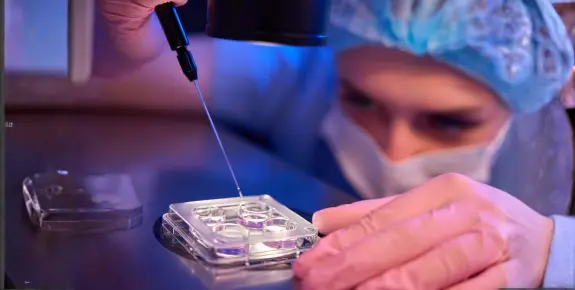
Treatment is tailored to the identified cause. Options include: • Ovulation induction (letrozole or clomiphene) for ovulatory dysfunction • IUI for mild male factor or unexplained infertility • IVF for moderate to severe causes or age-related decline • Donor eggs if ovarian reserve is very low • Hysteroscopic surgery for Asherman’s, polyps, or fibroids For full IVF process and cost information in South Africa, see the IVF South Africa complete guide.
Related Articles
- Secondary Infertility: Why Am I Struggling Again?
- Hormonal Imbalances and Fertility
- Uterine Polyps and Fertility
- Trying to Conceive with Endometriosis
- Trying to Conceive with PCOS
- Low Sperm Count and Fertility
- Trying to Conceive at 40
- IVF in South Africa: Complete Guide
Frequently Asked Questions
What investigations should I have for secondary infertility?
AMH, antral follicle count, day 2–3 hormonal panel, semen analysis, transvaginal ultrasound, and uterine cavity assessment (especially if you had a D&C or c-section). Tubal assessment if clinically indicated.
Is IVF needed for secondary infertility?
Not always. The appropriate treatment depends on the underlying cause. Some cases are treated with ovulation induction alone; others with IUI; others require IVF.
Can Asherman’s syndrome cause secondary infertility?
Yes. Intrauterine adhesions from previous surgery or complicated delivery can impair implantation and cause very light or absent periods. Hysteroscopic treatment is highly effective.
How does age affect secondary infertility treatment?
Older maternal age means lower ovarian reserve and higher embryo chromosomal abnormality rates. This may accelerate the recommendation for IVF with PGT-A, or donor egg IVF if reserve is very low.
Should I have a laparoscopy for secondary infertility?
Not routinely. Laparoscopy may be recommended if endometriosis or pelvic adhesions are suspected based on symptoms or ultrasound findings. Your specialist will advise.
Can stress cause secondary infertility?
Extreme stress can disrupt ovulation, but it is rarely the primary cause of secondary infertility. A thorough medical investigation is more productive than focusing on stress reduction alone.
How long should I try naturally before seeing a specialist again?
After 12 months if under 35, or 6 months if 35 or older. If you have a known condition, earlier assessment is appropriate.
Is the emotional impact of secondary infertility as significant as primary infertility?
Absolutely — and often more complicated by social pressures and the presence of an existing child. Seeking psychological support alongside medical investigation is valuable.
Does a previous miscarriage count as a previous pregnancy for secondary infertility?
Yes — secondary infertility includes difficulty conceiving after any previous pregnancy, including those that ended in miscarriage.
Where can I find a specialist for secondary infertility in South Africa?
Fertility Solutions connects couples with fertility specialists across South Africa through its comprehensive directory.
Key Takeaways
- A fresh, comprehensive investigation is needed — previous results may no longer apply
- Asherman’s syndrome, new uterine conditions, hormonal changes, and male factor are common causes
- Treatment is tailored to the identified cause
- Prior successful pregnancy is a positive prognostic factor
- Emotional support is as important as medical treatment
Closing Thoughts
Secondary infertility has answers — and those answers start with the right investigations. Do not wait longer than necessary. A specialist assessment gives you the information you need to act. Find a fertility specialist near you through Fertility Solutions.
Disclaimer: This content is for educational purposes only and does not constitute medical advice. Always consult with a qualified healthcare provider before making decisions about fertility treatment.
About the Author
Leigh-Ann Geydien is the founder of Fertility Solutions, South Africa’s only dedicated fertility directory. With a deep commitment to patient advocacy, she built the platform to bridge the gap between those navigating fertility challenges and the clinics and reproductive health specialists best placed to help them.