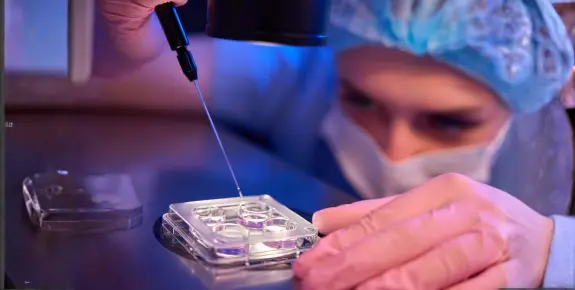

For many South Africans facing infertility, IVF — in vitro fertilisation — represents both hope and financial anxiety. It is often the treatment that makes parenthood possible, yet the cost is prohibitive for most without some form of financial assistance. The question that sits at the intersection of hope and reality is a simple one: Does my medical aid cover IVF? The short answer is: sometimes, partially, and with significant conditions attached.
Understanding exactly what cover looks like — and where the gaps are — is essential
before you commit to a treatment plan.
The Legal Framework: Why IVF Is Not Guaranteed Cover
Unlike private health insurance systems in some countries, South African medical aids
operate under the Medical Schemes Act 131 of 1998, which mandates cover for Prescribed Minimum Benefits (PMBs). These are a defined list of conditions and treatments that schemes must cover regardless of plan type. IVF and assisted reproductive technology (ART) are not on this list. This means medical aids are under no legal obligation to offer IVF benefits. Any IVF cover that does exist is a voluntary benefit — offered at the scheme’s discretion and subject to their specific rules, benefit limits, and clinical criteria.
Which Medical Aids Offer IVF Benefits in South Africa?
While the landscape shifts annually as schemes update their benefit structures, some schemes have historically included IVF or ART benefits on certain plan options. These typically include higher-tier comprehensive or executive plans. Hospital plans and entry-level options rarely include IVF cover. Schemes where fertility-related ART benefits have been reported on some plans include Discovery Health, Bonitas, Medihelp, Fedhealth, and Momentum Health. However, the nature and scope of this cover varies considerably. For a broader overview of which schemes offer fertility benefits generally, see our guide: Which South African Medical Aids Offer Fertility Benefits?
What IVF Cover Typically Looks Like
Where medical aids do offer IVF benefits, cover typically comes with several conditions and limitations:
Benefit Limits
Most schemes impose a rand value limit on IVF benefits — for example, R30,000 to R50,000 per cycle or per annum. Given that a single IVF cycle at a private South African clinic can cost between R40,000 and R80,000 or more (excluding medications), this may cover only a portion of the total cost.
Number of Cycles
Some schemes specify a lifetime limit on the number of IVF cycles they will contribute towards. Commonly, this is one or two cycles. Subsequent cycles — even if medically indicated — may need to be funded entirely out of pocket.
Clinical Criteria
Schemes typically require clinical motivation from a registered fertility specialist (gynaecologist or reproductive endocrinologist) before authorising IVF benefits. This motivation may need to include a diagnosis, evidence of prior treatment, and confirmation that IVF is medically appropriate.
Waiting Periods
Many schemes impose a waiting period of up to 12 months before fertility benefits can be accessed. This is particularly relevant if you have recently joined a scheme or upgraded your plan. Always confirm waiting periods before proceeding.
Pre-Authorisation
IVF is almost universally subject to pre-authorisation. This means that before treatment begins, your scheme must approve the benefit. Proceeding without authorisation risks having claims rejected.
What About Fertility Medications?
Fertility medications — particularly ovarian stimulation drugs used during IVF — can cost between R10,000 and R30,000 per cycle alone. Whether these are covered depends on whether your scheme includes them under your chronic medicine benefit, your scheme’s ART benefit, or not at all. This is an important question to ask explicitly, as medication costs can significantly affect your out-of-pocket expenses.
IUI vs IVF: Does Cover Differ?
Intrauterine insemination (IUI) is generally a less invasive and less expensive fertility procedure than IVF. Some medical aids that do not cover IVF may offer partial cover for IUI. If your specialist suggests IUI as a first-line treatment, it is worth checking whether your scheme includes specific IUI benefits.
Private Fertility Clinics and Medical Aid Rates
One important consideration is whether your chosen fertility clinic is registered with your medical aid scheme. Schemes typically have a network of designated service providers (DSPs), and using out-of-network providers can result in significantly reduced cover or no cover at all. Confirm whether your preferred clinic is a DSP for your scheme before booking.
The Financial Reality
Even when IVF benefits do exist, the financial burden on patients remains significant. A single IVF cycle often costs more than what schemes contribute, and many patients require multiple cycles. The emotional toll of fertility treatment is compounded by financial stress — a reality explored in our article: The Emotional and Financial Burden of Infertility. Understanding the full cost picture — what your medical aid will cover, what you will pay out of pocket, and what financing options may be available — is explored in detail in: The Real Cost of Fertility Treatment in South Africa.
Practical Steps Before Starting IVF
Before committing to an IVF cycle, take the following steps to protect yourself financially:
- Contact your scheme in writing and ask specifically about IVF and ART benefits on your current plan.
- Ask for confirmation of benefit limits, cycle limits, and any applicable waiting periods.
- Confirm whether your fertility clinic is a designated service provider.
- Ask about pre-authorisation requirements and begin the process early.
- Clarify whether fertility medications are covered and under which benefit category.
- Understand what happens if a cycle fails and you wish to attempt a second cycle. For a full guide to these conversations, read: Questions to Ask Your Medical Aid Before Starting Fertility Treatment.
Frequently Asked Questions
Does Discovery Health cover IVF in South Africa?
Discovery Health covers fertility-related procedures on certain higher-tier plans, but cover varies by option. Some plans may include partial IVF benefits subject to pre-authorisation, clinical criteria, and benefit limits. Contact Discovery Health directly to confirm what your specific plan includes.
How much does IVF cost in South Africa with medical aid?
With medical aid, your out-of-pocket cost depends on your scheme’s benefit limit and the cost of the cycle at your chosen clinic. In many cases, medical aid may reduce but not eliminate your out-of-pocket expense. Total cycle costs range from approximately R40,000 to R80,000 or more before medication.
What if my medical aid doesn’t cover IVF?
If your scheme offers no IVF cover, you will need to fund treatment privately. Some fertility clinics offer payment plans or medical financing options. It is worth exploring all available avenues before concluding that treatment is unaffordable.
Does medical aid cover frozen embryo transfers (FET)?
Some schemes include frozen embryo transfer (FET) within their ART benefit, while others treat it as a separate procedure with its own benefit limit. This should be confirmed as part of your pre-authorisation process.
Disclaimer: This content is for educational purposes only and does not constitute medical advice. Always consult with a qualified healthcare provider before making decisions about fertility treatment.
About the Author
Leigh-Ann Geydien is the founder of Fertility Solutions, South Africa’s only dedicated fertility directory. With a deep commitment to patient advocacy, she built the platform to bridge the gap between those navigating fertility challenges and the clinics and reproductive health specialists best placed to help them.