Sterilisation reversal reconnects the fallopian tubes surgically, allowing natural conception. IVF bypasses the tubes using assisted reproduction. Reversal suits younger women with preserved tube tissue. IVF is typically preferred for women over 38, significant tube damage, or where additional fertility factors are present.
Introduction
Whether reversal or IVF is right for you is a deeply personal decision with meaningful medical variables. Both pathways have helped thousands of South African women achieve pregnancy after sterilisation. This article compares them side by side. For a full overview of the sterilisation and fertility topic, see Trying to Conceive After Sterilisation. Fertility Solutions also has a dedicated article on exploring tubal reversal.
Understanding Your Sterilisation Type
The sterilisation method used is the first critical piece of information:
- Clips or rings: minimally destructive — best for reversal
- Electrocautery (burning): destroys more tissue
- Salpingectomy: tube removal — reversal usually not possible
- Essure: hysteroscopic coil — reversal not possible; IVF is the only route
Your fertility specialist will review your original surgical records before making a recommendation.
Sterilisation Reversal: Pros and Cons
Pros
- Allows natural conception and multiple pregnancies
- Once-off surgical cost versus per-cycle IVF costs
- No hormone stimulation injections
- Emotionally meaningful restoration of natural fertility
Cons
- Not always possible depending on sterilisation method
- Lower success rates with increasing age
- Requires general anaesthesia and surgical recovery (1–2 weeks)
- Slightly higher ectopic pregnancy risk post-reversal
- Does not address other fertility factors
IVF After Sterilisation: Pros and Cons
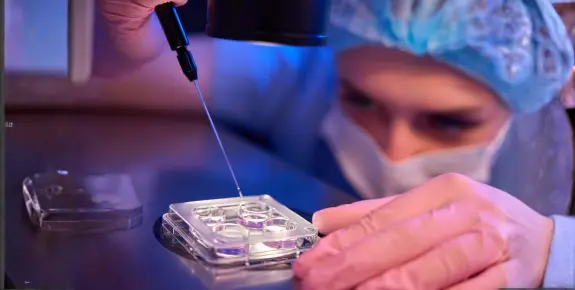
IVF retrieves eggs directly from the ovaries, fertilises them in the lab, and transfers the embryo directly into the uterus — entirely bypassing the tubes. Your sterilisation history is irrelevant to IVF’s mechanism. See the IVF South Africa complete guide for full process detail.
Pros
- Works regardless of sterilisation method or tube condition
- Can incorporate genetic testing of embryos (PGT-A)
- Addresses multiple fertility factors simultaneously
- Shorter time to attempt pregnancy
Cons
- Higher per-cycle cost
- Requires hormone injections and monitoring
- No guarantee of success in any single cycle
Key Deciding Factors
Age
Under 37 with good ovarian reserve? Reversal is highly viable. Over 38? IVF success rates often outperform reversal, and its speed gives you more time. See our guide to fertility over 40 in South Africa if age is a factor.
Sterilisation Type
If clips were used and minimal tube was damaged, reversal has a strong chance. If large sections were burned or removed, there may not be enough tube remaining. Your specialist will review your surgical records.
Ovarian Reserve
AMH testing tells your specialist how many eggs you have remaining. Low AMH may make IVF more urgent — potentially with donor eggs — while good AMH supports both options.
Partner’s Sperm
If a semen analysis reveals low count, poor motility, or morphology issues, IVF with ICSI addresses this simultaneously. Reversal surgery does not. See low sperm count and fertility treatment.
Costs in South Africa
Tubal reversal: R30,000–R60,000. IVF: R40,000–R80,000 per cycle plus medication. Medical aid rarely covers either. See the medical aid fertility coverage guide for details.
Related Articles
- Trying to Conceive After Sterilisation
- What Are My Options After Tubal Ligation?
- Exploring Tubal Reversal
- IVF in South Africa: Complete Guide
- Low Sperm Count and Fertility
- Fertility Over 40 in South Africa
- Medical Aid Coverage for Fertility Treatment
- NHS Sterilisation Guide
Frequently Asked Questions
Is sterilisation reversal painful?
The procedure is under anaesthesia. Recovery involves 1–2 weeks of discomfort managed with pain medication.
How soon can I try to conceive after tubal reversal?
Most surgeons recommend waiting 1–3 months after reversal for healing before actively trying.
What if reversal fails?
If reversal does not restore sperm to the ejaculate or pregnancy does not occur within 12–18 months, IVF/ICSI remains available as a next step.
Does IVF after sterilisation have the same success rates as regular IVF?
Yes — sterilisation itself does not affect IVF success. Success depends on age, egg quality, embryo quality, and uterine health.
Can a partial salpingectomy be reversed?
Sometimes, depending on how much tube remains. A laparoscopic assessment will determine feasibility.
Is ectopic risk higher after reversal?
Yes, slightly. Early ultrasound after a positive pregnancy test is important to confirm intrauterine implantation.
Can I freeze sperm during reversal surgery?
Yes — many surgeons freeze sperm retrieved at reversal as a backup for IVF/ICSI if needed.
How many IVF cycles might I need after sterilisation?
Success varies. Some conceive on the first cycle; others need multiple attempts. Realistic expectations should be discussed with your specialist.
Can I have reversal if I had Essure?
No. IVF is the only fertility option after Essure sterilisation.
Where do I find a specialist for reversal or IVF in South Africa?
Fertility Solutions’ directory lists reproductive specialists experienced in post-sterilisation fertility across South Africa.
Key Takeaways
- Both reversal and IVF offer real pathways to pregnancy after sterilisation
- Reversal suits younger women with clips/ring sterilisation and good tube length
- IVF suits older women, significant tube damage, or additional fertility factors
- A thorough fertility assessment guides the right decision
Closing Thoughts
“Permanent” does not always mean the final word. With the right specialist and honest assessment of your situation, the path forward becomes clear. Find a fertility specialist near you through Fertility Solutions
Disclaimer: This content is for educational purposes only and does not constitute medical advice. Always consult with a qualified healthcare provider before making decisions about fertility treatment.
About the Author
Leigh-Ann Geydien is the founder of Fertility Solutions, South Africa’s only dedicated fertility directory. With a deep commitment to patient advocacy, she built the platform to bridge the gap between those navigating fertility challenges and the clinics and reproductive health specialists best placed to help them.