Fatherhood after vasectomy is achievable through vasectomy reversal (microsurgery restoring sperm to the ejaculate) or sperm retrieval combined with IVF/ICSI (extracting sperm directly from the testicle). Success depends on time since vasectomy, female partner age, and individual health factors.
Introduction
Life rarely unfolds the way we plan it. A vasectomy made sense at one point — but you are here now, considering whether fatherhood is still possible. The answer, in many cases, is yes. For a full comparison of both routes, see Trying to Conceive After a Vasectomy. This article focuses on the practical and emotional dimensions of the decision.
Why a Vasectomy Is Not Always Permanent
A vasectomy cuts or seals the vas deferens — the tube that carries sperm from testicle to urethra. What it does not do is stop sperm production. Your testicles continue producing sperm throughout your life. This biological reality is the foundation of all post-vasectomy fertility options.
Vasectomy Reversal: The Surgical Option
Microsurgery reconnects the vas deferens. Natural conception becomes possible — and can occur multiple times if the reversal is successful. The critical variable: how long ago was the vasectomy? Pregnancy rates drop from ~75% (under 3 years) to ~30% or less (over 15 years). See Trying to Conceive After a Vasectomy for the full time-since-vasectomy success table.
Sperm Retrieval + IVF/ICSI
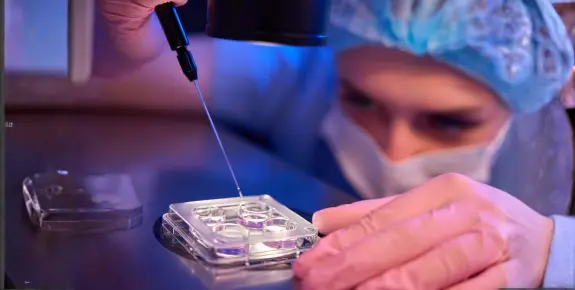
Sperm is extracted directly from the testicle (PESA, TESA, or TESE) and used with ICSI — injecting a single sperm into each egg. This route is completely unaffected by time since vasectomy. The IVF process and costs are the same as for any IVF/ICSI cycle. See the IVF South Africa complete guide and our guide to male infertility: IUI, IVF, and ICSI.
Which Option Is Right for You?
Your fertility specialist will consider: years since vasectomy; your partner’s age and ovarian reserve; whether you want multiple children (reversal allows repeated natural conception); budget; and the presence of anti-sperm antibodies. A joint fertility assessment for both partners gives the clearest picture.
The Role of Your Partner’s Fertility
Even with perfectly restored sperm, pregnancy requires the female partner’s fertility to be functioning. If she is over 35 or has known fertility challenges, the speed of IVF may outweigh the appeal of reversal. A joint assessment including AMH, antral follicle count, and uterine assessment is essential. For age-specific guidance see trying to conceive at 40.
Costs in South Africa
Vasectomy reversal: R25,000–R55,000. Sperm retrieval: R8,000–R20,000. IVF/ICSI: R40,000–R80,000 + medication. Medical aid rarely covers these — see medical aid fertility coverage guide.
Related Articles
- Trying to Conceive After a Vasectomy: Complete Guide
- Low Sperm Count and Fertility Treatment
- Male Infertility: IUI, IVF, and ICSI
- IVF in South Africa: Complete Guide
- Semen Analysis
- Trying to Conceive at 40
- Medical Aid Coverage for Fertility Treatment
- NHS Vasectomy Guide
Frequently Asked Questions
How do I know if reversal is still viable for me?
A fertility specialist will review time since vasectomy, overall health, and physical examination. An AMH test for your partner completes the picture.
What is ICSI and why is it used with retrieved sperm?
ICSI injects a single sperm directly into a single egg. It’s used because sperm retrieved from the testicle may be fewer in number, and ICSI maximises fertilisation success.
Can I freeze sperm before attempting reversal?
Yes — some men bank sperm retrieved at reversal as a safety net if the reversal doesn’t maintain effectiveness long-term.
Will a reversal affect my testosterone or sex drive?
No — vasectomy reversal does not affect testosterone levels, sex drive, or sexual function.
What if I’ve had two vasectomies?
A second vasectomy makes reversal more technically complex. Sperm retrieval + IVF/ICSI may be the more practical option. Consult a reproductive urologist.
Is donor sperm an option if retrieval fails?
Donor sperm IVF is an option if sperm cannot be retrieved. This is a significant decision for couples that benefits from counselling support.
How quickly can I start fertility treatment after deciding?
IVF can often begin within 4–6 weeks of completing assessments. Reversal surgery takes slightly longer to arrange and requires recovery before trying.
What lifestyle changes support sperm quality before treatment?
Stopping smoking, reducing alcohol, maintaining healthy weight, and avoiding heat to the testicles (saunas, hot baths) help optimise sperm quality.
Can I get a second opinion before deciding?
Absolutely — consulting two fertility specialists gives a broader picture for such an important decision.
Where can I find a post-vasectomy specialist in South Africa?
Fertility Solutions connects patients with reproductive specialists and microsurgeons experienced in post-vasectomy fertility planning.
Key Takeaways
- Vasectomy stops sperm delivery — not sperm production
- Both reversal and sperm retrieval + IVF can achieve fatherhood
- Reversal success declines sharply after 10+ years
- Female partner’s age and fertility are equally important in choosing the route
Closing Thoughts
Fatherhood after vasectomy is not a naive dream — it is a medically supported possibility. Find a fertility specialist near you through Fertility Solutions.
Disclaimer: This content is for educational purposes only and does not constitute medical advice. Always consult with a qualified healthcare provider before making decisions about fertility treatment.
About the Author
Leigh-Ann Geydien is the founder of Fertility Solutions, South Africa’s only dedicated fertility directory. With a deep commitment to patient advocacy, she built the platform to bridge the gap between those navigating fertility challenges and the clinics and reproductive health specialists best placed to help them.