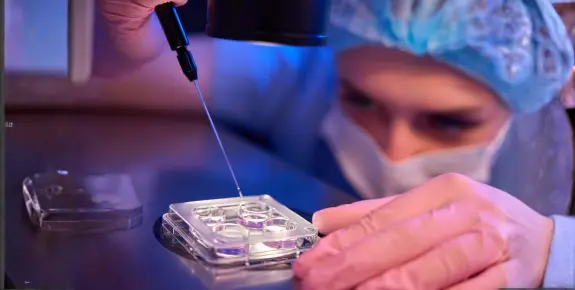

A sperm test — formally known as a semen analysis — is the single most important first step in investigating male fertility. It is straightforward, non-invasive, and provides a detailed picture of sperm health. Yet for many men, the idea of having one can feel daunting, embarrassing, or even threatening.
This guide explains exactly what a semen analysis involves, how to prepare for it, what is measured and why, and how to make sense of your results. Understanding your sperm test puts you in control — and that is always where you want to be.
Why Is a Semen Analysis Important?
When a couple is struggling to conceive, the semen analysis is one of the very first investigations ordered — and for good reason. Male factor infertility is a contributing cause in up to 50% of couples who experience difficulty, yet it remains underinvestigated because the focus so often falls on the female partner first.
A semen analysis can:
- Identify whether a sperm issue is contributing to difficulties conceiving
- Guide treatment decisions (whether IUI, IVF, or IVF with ICSI is needed)
- Establish a baseline to measure changes over time or after treatment
- Rule out male factor causes when results are normal, directing attention to female investigations
It is a quick, low-cost, and entirely safe investigation. There is no needles, no radiation, and no physical discomfort involved.
How to Prepare for a Semen Analysis
The quality of a semen sample varies naturally from day to day, and certain factors can significantly affect the result. Preparing correctly ensures the most accurate picture of your sperm health:
Abstinence
- 2–5 days of sexual abstinence before the test is recommended
- Shorter abstinence (less than 24 hours) may result in lower volume and count
- Longer abstinence (more than 7 days) can result in higher numbers but poorer motility
What to avoid before the test
- Ejaculation within 48 hours of the test
- Alcohol for at least 2–3 days beforehand
- Hot baths, saunas, or jacuzzis in the days before the test
- Illness with fever (reschedule if you have been unwell in the past month)
- Recent use of lubricants during collection — only specially approved non-spermicidal lubricants should be used if needed
Providing the sample
Samples are typically produced by masturbation into a sterile collection cup. Most clinics have a private room available for this. Alternatively, you may be able to produce the sample at home and bring it to the laboratory within one hour, kept close to body temperature (e.g., in a pocket against the body).
What Does a Semen Analysis Measure?
A standard semen analysis evaluates the following parameters, each of which tells a different part of the story:
Volume
Normal range: 1.4 ml or more
The total volume of ejaculate. Low volume may indicate obstruction, retrograde ejaculation, or hormonal issues. Very high volume can dilute sperm concentration.
Sperm concentration (count)
Normal range: 16 million per millilitre or more
The number of sperm per millilitre of semen. Below this threshold is called oligospermia (low sperm count). No sperm found is called azoospermia.
Total sperm count
Normal range: 39 million per ejaculate or more
Volume multiplied by concentration. This gives the total number of sperm available to reach the egg.
Total motility
Normal range: 42% or more
The percentage of all sperm showing any movement. Sperm that cannot move cannot reach the egg.
Progressive motility
Normal range: 30% or more
The percentage of sperm moving forward purposefully in a relatively straight line. This is the most functionally important motility measure — only sperm with progressive motility can navigate to the egg.
Morphology
Normal range: 4% or more normal forms (Kruger strict criteria)
The percentage of sperm with a normal shape — specifically, a normal-sized oval head, a well-defined midpiece, and an intact tail. Abnormal morphology is called teratospermia. Note that even in fertile men, only a small percentage of sperm meet the strict criteria for normal morphology — what matters is whether your result is above the threshold.
pH
Normal range: 7.2–8.0
Semen is normally slightly alkaline, which protects sperm from the acidic vaginal environment. Abnormal pH can indicate infection or accessory gland dysfunction.
Vitality (Viability)
Normal range: 54% or more live sperm
Even immotile sperm may be alive. Vitality testing distinguishes between dead sperm and live but immotile sperm — a distinction that matters for ICSI treatment.
White blood cells
Normal range: Less than 1 million per millilitre
The presence of elevated white blood cells (leukocytes) in semen suggests infection or inflammation and warrants further investigation.
What Do My Results Mean?
Understanding semen analysis terminology can feel overwhelming. Here is a plain-language guide:
Normozoospermia
All parameters are within the normal range. This does not guarantee fertility, but it indicates that sperm is unlikely to be the cause of difficulty conceiving.
Oligospermia
Sperm concentration is below normal. Mild oligospermia (5–15 million/ml) may allow for IUI. Severe oligospermia (below 5 million/ml) typically requires IVF with ICSI.
Asthenospermia
Motility is below normal. Poor motility significantly reduces the chance of natural fertilisation. Graded by severity; moderate to severe cases typically require IVF with ICSI.
Teratospermia
Morphology is below normal. Many men with teratospermia have normal or near-normal other parameters. Isolated teratospermia may not significantly impair fertility in mild cases, but severe teratospermia is associated with fertilisation failure in conventional IVF — making ICSI the better option.
Oligoasthenoteratospermia (OAT)
All three parameters — count, motility, and morphology — are below normal simultaneously. This is associated with significant male factor infertility and usually indicates a need for IVF with ICSI.
Azoospermia
No sperm are found in the ejaculate. This requires further investigation to determine whether it is obstructive (a blockage preventing sperm from reaching the ejaculate) or non-obstructive (reduced or absent sperm production in the testes). Both forms can often be treated — surgical sperm retrieval and ICSI make biological parenthood possible for many men with azoospermia.
Important: A single semen analysis is not sufficient for a definitive diagnosis. Results can vary considerably from sample to sample. If the first test shows abnormal results, a repeat test 2–3 months later is recommended before any firm conclusions are drawn.
What Affects Sperm Quality?
Sperm quality is influenced by both fixed factors (genetics, anatomy) and modifiable factors (lifestyle, environment). The modifiable factors are worth understanding because changes can genuinely improve results:
Factors that reduce sperm quality
- Smoking (one of the most consistent and significant negative factors)
- Excessive alcohol
- Anabolic steroid use (can shut down sperm production almost completely)
- Recreational drug use including cannabis
- Obesity and metabolic syndrome
- Excessive heat (hot baths, saunas, occupational heat)
- Sedentary lifestyle
- Chronic stress
- Certain medications (discuss with your doctor)
Factors that may improve sperm quality
- Stopping smoking
- Reducing alcohol to within safe limits
- Regular moderate exercise
- Maintaining a healthy body weight
- A varied, antioxidant-rich diet (plenty of fruits, vegetables, wholegrains)
- Targeted supplements (antioxidants such as CoQ10, vitamin C, vitamin E, zinc, selenium — evidence is modest but these are unlikely to harm)
- Reducing testicular heat exposure
Because sperm take approximately 72–90 days to develop, any lifestyle changes need to be sustained for at least three months before they will show up in a repeat semen analysis.
What Happens After an Abnormal Semen Analysis?
An abnormal result does not mean treatment is impossible — it means further investigation and a treatment plan are needed.
Your fertility specialist will typically:
- Repeat the semen analysis in 2–3 months to confirm the result
- Order blood tests to check hormone levels (FSH, LH, testosterone, prolactin)
- Arrange a scrotal ultrasound to look for varicoceles or other structural issues
- Consider genetic testing if the count is very low or absent
- Discuss treatment options based on the specific parameters affected and the severity of the abnormality
The path from an abnormal sperm test to a successful pregnancy exists for the vast majority of men. The sooner the investigation begins, the sooner a treatment plan can be put in place.
Frequently Asked Questions
How accurate is a semen analysis?
A semen analysis provides useful information but is not a perfect predictor of fertility. The same man can produce significantly different results from one sample to the next. For this reason, two tests are always better than one when abnormalities are found.
Can I use a home sperm test instead?
Home sperm tests are available and can detect very low sperm counts. However, they measure only one or two parameters and cannot provide the detailed morphology and motility data that a clinical semen analysis does. For a definitive fertility assessment, a laboratory semen analysis is essential.
Does a normal sperm test mean we can conceive naturally?
A normal semen analysis significantly reduces the chance of male factor infertility being the cause of difficulty. However, it does not completely exclude all sperm-related issues (for example, anti-sperm antibodies or DNA fragmentation are not measured in a standard analysis). If conception has not occurred despite a normal sperm test and a full female investigation, these additional tests may be considered.
What is sperm DNA fragmentation?
DNA fragmentation refers to breaks or damage in the genetic material within sperm. High levels of DNA fragmentation are associated with reduced fertilisation rates, poor embryo development, and increased miscarriage risk. This is not measured in a standard semen analysis — it requires a separate test and is considered when there have been repeated IVF failures or recurrent pregnancy loss.
Next Steps
If you have not yet had a semen analysis, or if your results have been abnormal, the next step is speaking with a fertility specialist who can interpret your results in the context of your full fertility picture.
Fertility Solutions can connect you with reproductive medicine specialists across South Africa who take male factor infertility seriously and treat it with the clinical rigour and human compassion it deserves.
Disclaimer: This content is for educational purposes only and does not constitute medical advice. Always consult with a qualified healthcare provider before making decisions about fertility treatment.
About the Author
Leigh-Ann Geydien is the founder of Fertility Solutions, South Africa’s only dedicated fertility directory. With a deep commitment to patient advocacy, she built the platform to bridge the gap between those navigating fertility challenges and the clinics and reproductive health specialists best placed to help them.