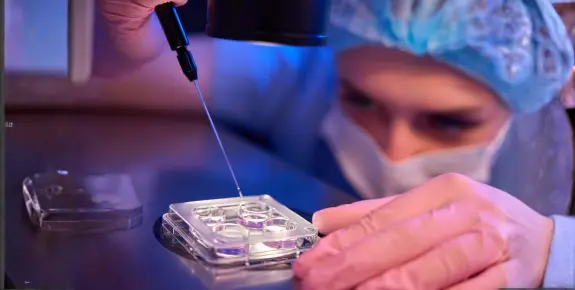

Fertility treatments can be complex and demanding, requiring careful attention to both medical protocols and lifestyle factors. One important aspect often overlooked is the role of vitamins in enhancing fertility and supporting overall reproductive health. Proper nutrition and the right supplementation can play a crucial role in optimizing the chances of a successful outcome. Here’s a comprehensive guide to the key vitamins recommended for those undergoing fertility treatments.
1. Folate (Folic Acid)
Importance:
– **Cellular Growth and Division:** Folate is vital for DNA synthesis and repair, which is crucial for the development of eggs and sperm.
– **Prevention of Neural Tube Defects:** For women, adequate folate levels help prevent neural tube defects in the developing fetus.
Sources:
– Leafy greens (spinach, kale)
– Citrus fruits
– Beans and lentils
– Fortified cereals
2. Vitamin D
Importance:
– **Hormonal Balance:** Vitamin D plays a role in hormone regulation and can impact menstrual cycles and ovulation.
– **Immune Function:** Supports the immune system, which is important for overall health and fertility.
Sources:
– Sun exposure (the body synthesizes vitamin D from sunlight)
– Fatty fish (salmon, mackerel)
– Fortified dairy products
– Egg yolks
3. Vitamin C
Importance:
Antioxidant Protection:** Vitamin C helps protect eggs and sperm from oxidative stress, which can damage reproductive cells.
Immune System Support:** Boosts the immune system, which can be beneficial during fertility treatments.
Sources:
– Citrus fruits (oranges, lemons)
– Strawberries
– Bell peppers
– Broccoli
4. Vitamin E
Importance:
– **Antioxidant Protection:** Like Vitamin C, Vitamin E acts as an antioxidant and helps protect reproductive cells from damage.
– **Improves Blood Flow:** Can enhance blood flow to reproductive organs, which is beneficial for fertility.
Sources:
– Nuts and seeds
– Vegetable oils (sunflower, safflower)
– Green leafy vegetables
5. Vitamin B12
Importance:
Cellular Health:** Essential for red blood cell formation and neurological function, which can influence fertility.
Homocysteine Regulation:** Works in conjunction with folate to regulate homocysteine levels, which can affect fertility.
Sources:
– Animal products (meat, dairy, eggs)
– Fortified cereals
– Nutritional yeast
6. Coenzyme Q10 (CoQ10)
Importance:
– **Energy Production:** Supports cellular energy production, which is crucial for egg and sperm health.
– **Antioxidant Properties:** Provides antioxidant protection to reproductive cells.
Sources:
– Meat (beef, pork)
– Fish (sardines, mackerel)
– Whole grains
7. Omega-3 Fatty Acids
Importance:
Hormonal Balance: Omega-3s support the production of hormones that regulate reproductive functions.
Anti-Inflammatory: Help reduce inflammation, which can improve fertility and overall reproductive health.
Sources:
– Fatty fish (salmon, sardines)
– Flaxseeds and chia seeds
– Walnuts
Incorporating the right vitamins and nutrients into your diet can significantly support fertility treatments and overall reproductive health. While a balanced diet should provide most of the necessary vitamins, supplements can be a valuable addition, especially if dietary intake is insufficient or specific needs arise. Always consult with your fertility specialist or healthcare provider before starting any new supplement regimen to ensure it aligns with your individual health requirements and treatment plan. Proper preparation and care can make a meaningful difference in your fertility journey, enhancing your chances of a successful outcome.
This content is for educational purposes only and does not constitute medical advice. Always consult with a qualified healthcare provider before making decisions about fertility treatment.