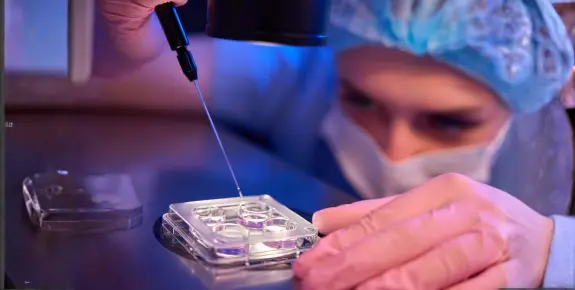
Yes, having children after a vasectomy is possible. The two main options are vasectomy reversal (surgical reconnection of the vas deferens) and sperm retrieval combined with IVF/ICSI (where sperm is extracted directly from the testicle). The best option depends on time since vasectomy, age, female partner’s fertility, and other individual factors.
Introduction
A vasectomy is one of the most effective forms of male contraception — and it was your decision to make at the time. But circumstances change. The good news is that a vasectomy does not have to mean the end of the path to fatherhood. Thousands of men in South Africa and globally have gone on to father children after vasectomy. This guide explains your options honestly. You may also find the semen analysis guide on Fertility Solutions helpful for understanding the basics of male fertility testing.
How Does a Vasectomy Work?
A vasectomy cuts, ties, or seals the vas deferens — the tubes that carry sperm from the testicles to the urethra. Sperm continues to be produced but can no longer be ejaculated. Testosterone and sexual function are unaffected. See the NHS vasectomy guide for more on how the procedure works.
Option 1: Vasectomy Reversal (Vasovasostomy)
Microsurgery reconnects the vas deferens, allowing sperm to return to the ejaculate and natural conception to occur. Approximate pregnancy rates by years since vasectomy:
- Under 3 years: ~75%
- 3–8 years: ~53–55%
- 9–14 years: ~44%
- Over 15 years: ~30% or less
Who Is a Good Candidate?
- Vasectomy performed less than 10 years ago (ideally less than 8)
- Female partner under 37 with normal fertility
- No anti-sperm antibodies
- Desire for multiple children
Option 2: Sperm Retrieval + IVF/ICSI
Sperm is extracted directly from the testicle or epididymis (PESA, TESA, TESE) and used with ICSI — a single sperm injected directly into each egg. This route is unaffected by time since vasectomy. For full details on the IVF/ICSI process, see the IVF South Africa complete guide. For more on male fertility treatment, see male infertility: IUI, IVF, and ICSI.
Reversal vs Sperm Retrieval + IVF: Comparison
Vasectomy reversal: best if vasectomy under 10 years ago; cost R25,000–R55,000 (once-off); allows natural conception after. Sperm retrieval + IVF/ICSI: works regardless of time since vasectomy; cost R40,000–R80,000 per cycle; requires IVF each pregnancy. The female partner’s age and fertility are equally important in choosing between these routes.
The Female Partner’s Fertility
This factor is often overlooked. Even with perfectly restored sperm, pregnancy requires the female partner’s fertility to be functioning well. An AMH test, antral follicle count, and uterine assessment for the female partner should accompany the male assessment. If she is over 35 or has known fertility challenges, the time efficiency of IVF may be the most important factor. See also our guide to fertility over 40.
Costs in South Africa
Vasectomy reversal: R25,000–R55,000. Sperm retrieval: R8,000–R20,000. IVF/ICSI: R40,000–R80,000 + medication. Medical aid rarely covers these procedures — see the medical aid fertility coverage guide.
Related Articles
- Fatherhood After a Vasectomy: Can You Still Have Children?
- Male Infertility: IUI, IVF, and ICSI
- Low Sperm Count and Fertility Treatment
- IVF in South Africa: Complete Guide
- Semen Analysis
- Fertility Over 40 in South Africa
- Medical Aid Coverage for Fertility Treatment
- NHS Vasectomy Guide
Frequently Asked Questions
Can you father a child after a vasectomy without reversal?
Yes — through sperm retrieval (PESA, TESA, or TESE) combined with IVF/ICSI. Sperm is extracted directly from the testicle and used to fertilise eggs in the laboratory.
How long does vasectomy reversal take to work?
Sperm typically returns to the ejaculate within 3–6 months. Conception can occur naturally within 12 months if the female partner has good fertility.
Is sperm retrieval painful?
The procedure is under sedation or local anaesthesia. PESA is minimally invasive; TESE involves a small incision. Discomfort is brief and manageable.
What if vasectomy reversal fails?
If reversal does not restore sperm or pregnancy does not occur within 12–18 months, sperm retrieval + IVF/ICSI remains available as a next step.
Do anti-sperm antibodies affect reversal success?
Yes. After vasectomy, some men develop antibodies that impair sperm motility. ICSI can overcome this by directly injecting sperm into the egg.
Can I freeze sperm during reversal surgery?
Yes — many surgeons freeze sperm retrieved during reversal as a backup for IVF/ICSI if needed.
Is IVF success the same after vasectomy as regular IVF?
Essentially yes — success depends on the female partner’s age and fertility, embryo quality, and uterine factors, not on the cause of male infertility.
What is the best age for vasectomy reversal?
The sooner after vasectomy, the better for reversal. But the female partner’s age is equally important — if she is over 35, the speed of IVF may make it more practical.
Can lifestyle changes improve sperm quality after vasectomy?
Lifestyle measures support sperm quality for retrieval: stopping smoking, reducing alcohol, maintaining healthy weight, avoiding scrotal heat.
Where can I find post-vasectomy fertility specialists in South Africa?
Fertility Solutions’ directory includes reproductive specialists and andrologists experienced in post-vasectomy cases.
Key Takeaways
- A vasectomy stops sperm delivery, not sperm production
- Reversal success declines significantly after 10 years
- Sperm retrieval + IVF/ICSI is unaffected by time since vasectomy
- The female partner’s age and fertility are critical factors in choosing the best route
Closing Thoughts
A vasectomy was a chapter — not the final word. Find a fertility specialist through Fertility Solutions to discuss your post-vasectomy options.
Disclaimer: This content is for educational purposes only and does not constitute medical advice. Always consult with a qualified healthcare provider before making decisions about fertility treatment.
About the Author
Leigh-Ann Geydien is the founder of Fertility Solutions, South Africa’s only dedicated fertility directory. With a deep commitment to patient advocacy, she built the platform to bridge the gap between those navigating fertility challenges and the clinics and reproductive health specialists best placed to help them.