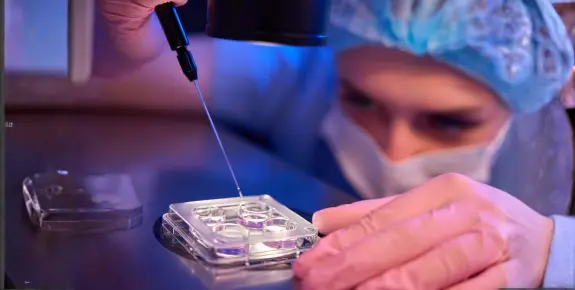

Fertility treatment in South Africa sits at the intersection of medicine, policy, personal finance, and profound human hope. For South African women navigating infertility, the funding landscape can feel overwhelming — a maze of medical aid rules, legislative gaps, scheme exclusions, and escalating costs. Yet, with the right information, the maze is navigable.
This article brings together the essential knowledge that every South African woman should have before embarking on a fertility treatment journey. Consider it a starting point for a more empowered, informed approach to funding your path to parenthood.
The Big Picture: Why Fertility Funding Is Complicated
The fundamental challenge for fertility patients in South Africa is legislative. Under the Medical Schemes Act 131 of 1998, medical aids are only obligated to cover Prescribed Minimum Benefits — a defined list that does not currently include IVF or assisted reproductive technology. This means that any fertility cover provided by a medical aid is voluntary, discretionary, and subject to the scheme’s own rules and limitations. As explored in our comprehensive guides — Does Medical Aid Cover IVF in South Africa? and Understanding PMBs and Fertility-Related Conditions — this legislative gap creates significant inequality in access to fertility care.
Key Facts Every Patient Should Know
1. Not All Plans Are Equal
Medical aid cover for fertility treatment varies enormously not just between schemes, but between plan options within the same scheme. Hospital plans rarely include fertility benefits. Comprehensive and executive plans are far more likely to include voluntary fertility benefits. If you are considering fertility treatment, reviewing your current plan level — and potentially upgrading before you need treatment — is a wise strategic move. Waiting periods may apply when upgrading.
2. Pre-Authorisation Is Non-Negotiable
If your scheme does include fertility benefits, virtually all will require pre-authorisation before treatment begins. Proceeding without pre-authorisation almost always results in rejected claims. Allow adequate time for the process — ideally several weeks before your intended treatment start date.
3. Fertility Medications Are a Significant Separate Cost
Many patients budget for their IVF procedure without adequately accounting for the cost of stimulation medications. These can add R10,000 to R30,000 per cycle. Ask your scheme explicitly whether medications are covered, and under which benefit. Confirm which specific medications are on your scheme’s formulary.
4. Your Diagnosis May Unlock Additional Benefits
If your infertility is associated with a condition that has PMB status — such as endometriosis, PCOS (under specific criteria), or a thyroid disorder — some elements of your care may be fundable through the PMB framework, independent of any voluntary fertility benefit. This is explored in detail in: Endometriosis, PCOS and Fertility: What Medical Aids May Cover.
5. Using a Designated Service Provider Matters
Schemes typically offer better cover when members use designated service providers. Choosing a fertility clinic that is not in your scheme’s network may result in significantly reduced benefits or co-payments. Always verify your clinic’s DSP status before booking.
6. Written Confirmation Protects You
Medical aid consultants sometimes provide incorrect or incomplete information verbally. Always follow up verbal communications with a request for written confirmation — email is sufficient. Written confirmation of your benefit details and pre-authorisation approvals provides protection in the event of a dispute.
Understanding the Funding Gap
Even with the best available medical aid cover, most South African fertility patients will face a meaningful funding gap. A scheme that contributes R40,000 toward an IVF cycle that costs R65,000 — plus R20,000 in medications — still leaves the patient with R45,000 out of pocket. Understanding this gap in advance allows for financial planning.
For a full breakdown of what fertility treatment costs in South Africa, see: The Real Cost of Fertility Treatment in South Africa.
Strategies for Managing Fertility Treatment Costs
Plan Your Benefit Year
Medical aid benefits run in calendar years and typically reset on 1 January. If you have fertility benefits that include a rand limit, timing your treatment strategically — or spreading costs across two benefit years — can maximise the value of your cover.
Understand Your Tax Options
Significant medical expenditure may qualify for a medical tax credit or additional medical deduction under SARS rules. Consult a tax professional to understand whether your fertility treatment costs are tax-deductible and what documentation is required.
Explore Medical Financing
For patients who cannot fund treatment upfront, medical financing options are available through certain banks and specialist medical credit providers. Some fertility clinics have preferred financing partners. Understand the terms and interest rates carefully before committing.
Consider Fertility Insurance (Where Available)
While not yet widely available in South Africa, fertility insurance products are emerging in some markets and may become increasingly accessible. This is worth monitoring as a future option.
The Advocacy Imperative
Information is empowering — but information alone is not enough to fix the systemic inequalities that make fertility treatment inaccessible to most South Africans. The exclusion of fertility treatment from the PMB list is a policy failure that requires active advocacy to address.
Every patient who understands the landscape, asks the right questions, and advocates for better cover — whether with their own scheme, their employer, or in public forums — contributes to the broader movement for equitable access to reproductive healthcare. The emotional stakes of this advocacy are articulated powerfully in: The Emotional and Financial Burden of Infertility. Systemic change begins with individual voices.
Where Fertility Solutions Can Help
Fertility Solutions exists to bridge the gap between the complexity of the medical aid landscape and the lived experience of patients navigating infertility. Our team understands both the clinical and the administrative dimensions of fertility treatment funding, and we are committed to helping patients access the information and support they need. Whether you need help understanding your benefits, preparing for a pre-authorisation
process, or simply want guidance on your options, we are here.
Frequently Asked Questions
Can I get fertility treatment funded if I don’t have medical aid?
Without medical aid, fertility treatment costs must be met privately. Some academic hospitals or public sector facilities offer limited fertility services, but availability is very restricted. Medical financing options through banks or specialist providers are available. Speak to your fertility clinic about payment plan options.
Is there a fertility benefit in the Government Employees Medical Scheme (GEMS)?
GEMS offers several plan options, and fertility benefits — where they exist — are typically on higher-tier options. Confirm your current GEMS plan benefits directly with the scheme, as benefit structures change annually.
What is the best medical aid for fertility treatment in South Africa?
There is no universally ‘best’ scheme for fertility benefits — the answer depends on which plans you qualify for, your employer contributions, and your specific clinical needs. Generally, comprehensive and executive plans from larger schemes (such as Discovery Health or Bonitas) offer more meaningful fertility benefits. See: Which South African Medical Aids Offer Fertility Benefits? for a comparative overview.
How do I appeal a medical aid rejection of a fertility claim?
Request the rejection reason in writing. Review whether the claim was correctly coded and all required documentation was submitted. Lodge a formal written appeal with your scheme within the required timeframe. If the internal appeal fails, escalate to the Council for Medical Schemes at www.medicalschemes.gov.za.
Disclaimer: This content is for educational purposes only and does not constitute medical advice. Always consult with a qualified healthcare provider before making decisions about fertility treatment.
About the Author
Leigh-Ann Geydien is the founder of Fertility Solutions, South Africa’s only dedicated fertility directory. With a deep commitment to patient advocacy, she built the platform to bridge the gap between those navigating fertility challenges and the clinics and reproductive health specialists best placed to help them.